Country or region and language

    Choose your country or region and your language.

    Suggested for you

      All countries and regions

        Choose your character

        It shows in the top bar and on your profile. Change it any time.

        ITIL 4 Foundation mock exam 1

        Answer 40 original questions in 1 h. The practice target is 26 correct. Submit to review your reasoning against the syllabus.
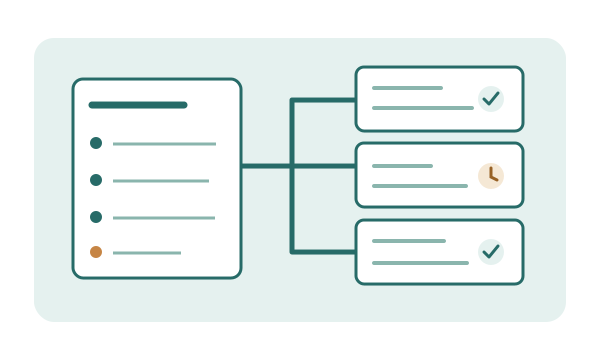
        A service desk queue, a change approval record and a connected service workflow for ITIL Foundation practice.
        Questions
        40
        Time
        1 h
        Practice target
        26 (65%)
        Mode
        Timed or untimed
        Access
        Free

        The practice test needs JavaScript. These are its questions:

        1. A retailer pays a provider to run its ordering platform and manage its hosting risks. What is the arrangement helping the retailer consume?

          1. Service
          2. Output
          3. Utility
          4. Warranty
        2. A booking service adds a function that lets reception staff reschedule appointments. Which concept concerns this new functionality?

          1. Warranty
          2. Output
          3. Utility
          4. Risk
        3. A reporting team produces a dashboard. Managers then reduce the time needed to identify overdue work. What is the reduced decision time?

          1. Output
          2. Outcome
          3. Risk
          4. Service offering
        4. A payroll service removes the need to maintain local servers but introduces dependence on an external network. Which concept explains the new uncertainty?

          1. Utility
          2. Output
          3. Customer
          4. Risk
        5. A provider combines a laptop, access to a hosted workspace and a support service for new employees. What does this package illustrate?

          1. Output
          2. Service offering
          3. User
          4. Sponsor
        6. A team wants to apply only one guiding principle and ignore the others. How should it instead use the principles when planning an improvement?

          1. Use the principles together
          2. Focus on value
          3. Start where you are
          4. Keep it simple and practical
        7. A team asks customers which results matter before deciding which portal feature to build. Which guiding principle is most directly illustrated?

          1. Progress iteratively with feedback
          2. Optimize and automate
          3. Start where you are
          4. Focus on value
        8. Before replacing its support process, a team observes the existing work and identifies steps that already work well. Which principle does this show?

          1. Keep it simple and practical
          2. Collaborate and promote visibility
          3. Start where you are
          4. Optimize and automate
        9. A team delivers a small usable improvement, gathers user feedback and adjusts the next increment. Which principle best explains its approach?

          1. Collaborate and promote visibility
          2. Think and work holistically
          3. Keep it simple and practical
          4. Progress iteratively with feedback
        10. Support and development teams share a visible work queue and invite users into review discussions. Which principle is most directly supported?

          1. Start where you are
          2. Collaborate and promote visibility
          3. Optimize and automate
          4. Think and work holistically
        11. A request process has an approval that nobody uses to make a decision. The team removes that approval while keeping required controls. Which principle applies?

          1. Start where you are
          2. Progress iteratively with feedback
          3. Keep it simple and practical
          4. Focus on value
        12. A service review finds unclear responsibilities, missing skills and a culture that discourages reporting mistakes. Which dimension needs the most direct attention?

          1. Organizations and people
          2. Information and technology
          3. Partners and suppliers
          4. Value streams and processes
        13. A team reviews data quality, access permissions and whether its support platform can exchange records with other systems. Which dimension is central?

          1. Partners and suppliers
          2. Value streams and processes
          3. Information and technology
          4. Organizations and people
        14. An organization evaluates its direction, sets policies and monitors compliance. Which component of the service value system covers these responsibilities?

          1. Plan
          2. Service value system
          3. Continual improvement
          4. Governance
        15. A value stream returns to stakeholder engagement after testing reveals a new need. Which statement explains why this is consistent with the value chain?

          1. Combine and repeat activities to suit the value stream
          2. Run every activity once in a fixed order
          3. Manage each activity without considering other activities
          4. Assign each activity exclusively to one department
        16. A team maintains ongoing dialogue with customers to understand changing needs and communicate service progress. Which value-chain activity is most directly illustrated?

          1. Plan
          2. Engage
          3. Obtain/build
          4. Deliver and support
        17. A team protects payroll records against unauthorized disclosure or alteration while keeping them available to authorized staff. Which practice has this purpose?

          1. Service configuration management
          2. Information security management
          3. Supplier management
          4. Service level management
        18. A provider builds continuing links with business stakeholders so it understands their concerns and expectations. Which practice has this purpose?

          1. Supplier management
          2. Service level management
          3. Service desk
          4. Relationship management
        19. A provider reviews an external hosting company against its contract and addresses repeated delivery failures. Which practice manages this supplier performance?

          1. IT asset management
          2. Information security management
          3. Supplier management
          4. Relationship management
        20. A team tracks software licenses from purchase through use and disposal, aiming to control costs and avoid license risks. Which practice has this purpose?

          1. IT asset management
          2. Service configuration management
          3. Deployment management
          4. Release management
        21. A team observes service components, detects meaningful state changes and decides which notifications need action. Which practice has this purpose?

          1. Incident management
          2. Service configuration management
          3. Continual improvement
          4. Monitoring and event management
        22. A backup completes successfully and a monitoring tool records this meaningful change of state. No service has failed. What is the recorded change called?

          1. Event
          2. Incident
          3. Problem
          4. Known error
        23. A support team must manage a particular database and its relationships with applications so that a service can operate. What is that managed component?

          1. IT asset
          2. Configuration item
          3. Output
          4. Service offering
        24. An order service is down. A tested workaround restores order entry safely, but the underlying fault needs more investigation. What should incident management do first?

          1. Analyze the recurring incident pattern and cause
          2. Record and manage the analyzed, unresolved problem
          3. Use the tested workaround to restore service
          4. Measure the current position before setting the target
        25. A payroll outage threatens a deadline, while an older report concerns a cosmetic issue affecting one person. How should the team decide which incident to handle first?

          1. Prioritize using business impact and urgency
          2. Listen, clarify the need and explain the next step
          3. Follow the preauthorized standard change model
          4. Measure the current position before setting the target
        26. A support team cannot restore a network service because it lacks specialist routing knowledge. A qualified network team is available. What is the best next action?

          1. Assess risk and use the appropriate change authority
          2. Bring in the appropriate specialist promptly
          3. Analyze the recurring incident pattern and cause
          4. Agree a measurable target linked to the vision
        27. The same printer incident returns after each successful restart. The incident trend suggests an underlying fault. What should problem management do?

          1. Use the tested workaround to restore service
          2. Use the agreed service request model and approvals
          3. Follow the preauthorized standard change model
          4. Analyze the recurring incident pattern and cause
        28. A problem has been analyzed, but its permanent repair is unaffordable this quarter. What should the team do rather than discard the information?

          1. Follow the preauthorized standard change model
          2. Compare the result with the agreed target
          3. Record and manage the analyzed, unresolved problem
          4. Use the agreed service request model and approvals
        29. A specialist finds a safe temporary method that reduces disruption from a known fault. Other support teams need to use it consistently. What should problem management do?

          1. Assess risk and use the appropriate change authority
          2. Agree a measurable target linked to the vision
          3. Document and share the workaround
          4. Bring in the appropriate specialist promptly
        30. A routine access update is low risk, well understood and already preauthorized under a documented change model. Which route should the team use for this execution?

          1. Follow the preauthorized standard change model
          2. Assess risk and use the appropriate change authority
          3. Use expedited assessment and emergency authorization
          4. Measure the current position before setting the target
        31. An active security attack requires a production change before the normal change meeting. The team has an emergency change route. How should it proceed?

          1. Follow the preauthorized standard change model
          2. Use the tested workaround to restore service
          3. Assess risk and use the appropriate change authority
          4. Use expedited assessment and emergency authorization
        32. A planned infrastructure change is neither standard nor urgent. Its risk and scope differ from a previous change. How should authorization be arranged?

          1. Use expedited assessment and emergency authorization
          2. Assess risk and use the appropriate change authority
          3. Follow the preauthorized standard change model
          4. Use the agreed service request model and approvals
        33. A team wants to shorten onboarding but has no reliable record of its current completion time. What should it do to establish where it is now?

          1. Agree a measurable target linked to the vision
          2. Measure the current position before setting the target
          3. Compare the result with the agreed target
          4. Follow the preauthorized standard change model
        34. The current request completion time is measured. The business vision is clearer, but the team has not defined where it wants to be. What is the next useful decision?

          1. Measure the current position before setting the target
          2. Compare the result with the agreed target
          3. Agree a measurable target linked to the vision
          4. Analyze the recurring incident pattern and cause
        35. An employee requests a standard laptop that is included in the agreed service catalog. No existing service has failed. How should the request be fulfilled?

          1. Use the agreed service request model and approvals
          2. Use expedited assessment and emergency authorization
          3. Analyze the recurring incident pattern and cause
          4. Record and manage the analyzed, unresolved problem
        36. Requests for access to a shared folder recur often and require a manager approval that has already been agreed. Which approach supports consistent fulfillment?

          1. Assess risk and use the appropriate change authority
          2. Analyze the recurring incident pattern and cause
          3. Use the tested workaround to restore service
          4. Use the agreed service request model and approvals
        37. A frustrated user cannot explain a fault in technical terms. What should the service desk do before choosing a support route?

          1. Listen, clarify the need and explain the next step
          2. Analyze the recurring incident pattern and cause
          3. Follow the preauthorized standard change model
          4. Agree a measurable target linked to the vision
        38. A service desk passes technical work to a specialist. The user is now receiving no updates and does not know who is handling the issue. What should the desk do?

          1. Bring in the appropriate specialist promptly
          2. Record and manage the analyzed, unresolved problem
          3. Assess risk and use the appropriate change authority
          4. Coordinate the handoff and keep the user informed
        39. All technical service targets are green, but staff regularly miss a business cutoff because the service is difficult to use. What should the service level review do?

          1. Compare the result with the agreed target
          2. Measure the current position before setting the target
          3. Review business results with users
          4. Follow the preauthorized standard change model
        40. A draft service agreement contains only server statistics. The customer wants to know whether its order-processing goals will be met. What should service level management do?

          1. Assess risk and use the appropriate change authority
          2. Review business results with users
          3. Analyze the recurring incident pattern and cause
          4. Use the agreed service request model and approvals

        What this set covers

        • 1.1: Service concepts2 questions
        • 1.2: Service concepts2 questions
        • 1.3: Service concepts1 question
        • 2.1: Guiding principles1 question
        • 2.2: Guiding principles5 questions
        • 3.1: Four dimensions2 questions
        • 4.1: Service value system1 question
        • 5.1: Value chain1 question
        • 5.2: Value chain1 question
        • 6.1: Practice purposes and terms5 questions
        • 6.2: Practice purposes and terms2 questions
        • 7.1c: Seven practices in detail3 questions
        • 7.1d: Seven practices in detail3 questions
        • 7.1b: Seven practices in detail3 questions
        • 7.1a: Seven practices in detail2 questions
        • 7.1e: Seven practices in detail2 questions
        • 7.1f: Seven practices in detail2 questions
        • 7.1g: Seven practices in detail2 questions

        Next: ITIL 4 Foundation mock 2

        More practice for this exam

        1. ITIL 4 Foundation mock 240 questions · 1 h

        All practice for the ITIL 4 Foundation

        The Work Gym is independent of PeopleCert and AXELOS. ITIL is a registered trademark of PeopleCert. Our questions are original practice, not official papers. We provide no exam voucher or certification.

        Your Work Gym account

        Save your progress and pick up on another device. Your browser's progress comes with you.

        New accounts get 12 hours of full access: every course, unit, project and exam. The clock starts when you open your first lesson.

        Plan your practice from a job ad or syllabus

        Have a referral code?

        or

        You can keep practicing without an account.

        Change your plan

        Checking the price

        Help and feedback

        Ask a question, tell us what is not working, or share an idea. We reply by email.

        What is it about?

        We use it only to reply to you.