Country or region and language

    Choose your country or region and your language.

    Suggested for you

      All countries and regions

        Choose your character

        It shows in the top bar and on your profile. Change it any time.

        ITIL 4 Foundation: Seven practices in detail, set 2

        Answer 17 questions on Seven practices in detail. Review the explanation and objective after submission. Timed mode gives you 26 min; the practice target is 12 correct.
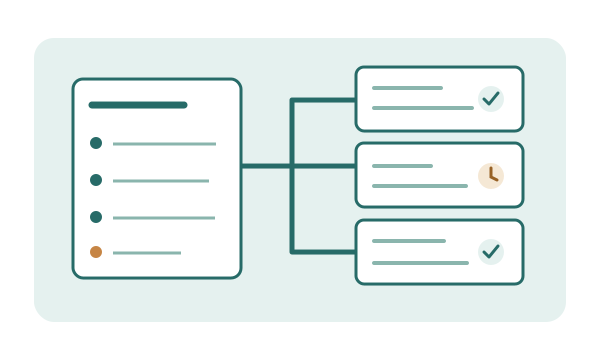
        A service desk queue, a change approval record and a connected service workflow for ITIL Foundation practice.
        Questions
        17
        Time
        26 min
        Practice target
        12 (65%)
        Part
        Seven practices in detail
        Mode
        Timed or untimed
        Access
        Exam pass

        The practice test needs JavaScript. These are its questions:

        1. A payroll outage threatens a deadline, while an older report concerns a cosmetic issue affecting one person. How should the team decide which incident to handle first?

          1. Prioritize using business impact and urgency
          2. Listen, clarify the need and explain the next step
          3. Follow the preauthorized standard change model
          4. Measure the current position before setting the target
        2. The same printer incident returns after each successful restart. The incident trend suggests an underlying fault. What should problem management do?

          1. Use the tested workaround to restore service
          2. Use the agreed service request model and approvals
          3. Follow the preauthorized standard change model
          4. Analyze the recurring incident pattern and cause
        3. A specialist finds a safe temporary method that reduces disruption from a known fault. Other support teams need to use it consistently. What should problem management do?

          1. Assess risk and use the appropriate change authority
          2. Agree a measurable target linked to the vision
          3. Document and share the workaround
          4. Bring in the appropriate specialist promptly
        4. An active security attack requires a production change before the normal change meeting. The team has an emergency change route. How should it proceed?

          1. Follow the preauthorized standard change model
          2. Use the tested workaround to restore service
          3. Assess risk and use the appropriate change authority
          4. Use expedited assessment and emergency authorization
        5. A team wants to shorten onboarding but has no reliable record of its current completion time. What should it do to establish where it is now?

          1. Agree a measurable target linked to the vision
          2. Measure the current position before setting the target
          3. Compare the result with the agreed target
          4. Follow the preauthorized standard change model
        6. An employee requests a standard laptop that is included in the agreed service catalog. No existing service has failed. How should the request be fulfilled?

          1. Use the agreed service request model and approvals
          2. Use expedited assessment and emergency authorization
          3. Analyze the recurring incident pattern and cause
          4. Record and manage the analyzed, unresolved problem
        7. A frustrated user cannot explain a fault in technical terms. What should the service desk do before choosing a support route?

          1. Listen, clarify the need and explain the next step
          2. Analyze the recurring incident pattern and cause
          3. Follow the preauthorized standard change model
          4. Agree a measurable target linked to the vision
        8. All technical service targets are green, but staff regularly miss a business cutoff because the service is difficult to use. What should the service level review do?

          1. Compare the result with the agreed target
          2. Measure the current position before setting the target
          3. Review business results with users
          4. Follow the preauthorized standard change model
        9. A payment service can be restored with an approved fallback. A developer proposes leaving it offline until the permanent repair is ready. Which response best meets incident management priorities?

          1. Record and manage the analyzed, unresolved problem
          2. Analyze the recurring incident pattern and cause
          3. Use the tested workaround to restore service
          4. Follow the preauthorized standard change model
        10. A senior executive reports a minor display fault. A less senior employee reports an outage stopping the entire dispatch team. How should support assign priority?

          1. Prioritize using business impact and urgency
          2. Coordinate the handoff and keep the user informed
          3. Measure the current position before setting the target
          4. Use the agreed service request model and approvals
        11. A workaround fixes the symptoms only when applied to a specific application version. Different teams are applying it to incompatible versions. What should problem management improve?

          1. Use the tested workaround to restore service
          2. Follow the preauthorized standard change model
          3. Document and share the workaround
          4. Assess risk and use the appropriate change authority
        12. An approved change model allows a tested, repeatable certificate renewal under stated conditions. Those conditions are met today. How should the team proceed?

          1. Follow the preauthorized standard change model
          2. Use expedited assessment and emergency authorization
          3. Assess risk and use the appropriate change authority
          4. Analyze the recurring incident pattern and cause
        13. A critical fault requires an urgent corrective change. Someone suggests that urgency permits skipping all authorization. What is the appropriate change response?

          1. Assess risk and use the appropriate change authority
          2. Follow the preauthorized standard change model
          3. Compare the result with the agreed target
          4. Use expedited assessment and emergency authorization
        14. A team has completed an improvement and collected new completion-time data. Its target and baseline were agreed earlier. How should it determine whether it got there?

          1. Measure the current position before setting the target
          2. Compare the result with the agreed target
          3. Agree a measurable target linked to the vision
          4. Record and manage the analyzed, unresolved problem
        15. A frequent equipment request has clear eligibility rules and a required approval. Staff currently invent a different route each time. How should fulfillment become more predictable?

          1. Analyze the recurring incident pattern and cause
          2. Assess risk and use the appropriate change authority
          3. Use the tested workaround to restore service
          4. Use the agreed service request model and approvals
        16. A user has been sent between three technical teams and must repeat the same explanation at each handoff. What should the service desk improve?

          1. Assess risk and use the appropriate change authority
          2. Follow the preauthorized standard change model
          3. Document and share the workaround
          4. Coordinate the handoff and keep the user informed
        17. A supplier reports excellent component availability while users report that an entire business transaction often fails. What should the service review consider?

          1. Compare the result with the agreed target
          2. Assess risk and use the appropriate change authority
          3. Review business results with users
          4. Use the agreed service request model and approvals

        What this set covers

        • 7.1c: Seven practices in detail3 questions
        • 7.1d: Seven practices in detail3 questions
        • 7.1b: Seven practices in detail3 questions
        • 7.1a: Seven practices in detail2 questions
        • 7.1e: Seven practices in detail2 questions
        • 7.1f: Seven practices in detail2 questions
        • 7.1g: Seven practices in detail2 questions

        Next: ITIL 4 Foundation mock 1

        More practice for this exam

        1. Seven practices in detail, set 117 questions · 26 min
        2. ITIL 4 Foundation mock 140 questions · 1 h
        3. ITIL 4 Foundation mock 240 questions · 1 h

        All practice for the ITIL 4 Foundation

        The Work Gym is independent of PeopleCert and AXELOS. ITIL is a registered trademark of PeopleCert. Our questions are original practice, not official papers. We provide no exam voucher or certification.

        Your Work Gym account

        Save your progress and pick up on another device. Your browser's progress comes with you.

        New accounts get 12 hours of full access: every course, unit, project and exam. The clock starts when you open your first lesson.

        Plan your practice from a job ad or syllabus

        Have a referral code?

        or

        You can keep practicing without an account.

        Change your plan

        Checking the price

        Help and feedback

        Ask a question, tell us what is not working, or share an idea. We reply by email.

        What is it about?

        We use it only to reply to you.